 Adelhard Hartmann
 Effective back workouts are achievable at home with the right equipment; specifically, dumbbell back exercises offer a potent path to building strength and improving posture. Targeting specific muscles allows for focused development and reduces the risk of injury. Consistent application of these exercises can significantly enhance back health and overall fitness. Achieving a strong back is within reach through a well-structured routine.
Dumbbell back exercises are a great way to build muscle and strength in your back. This form of exercise is a versatile and accessible method for developing back muscles. They can be done at home with minimal equipment, making them ideal for people who don’t have access to a gym. Regular incorporation of dumbbell training leads to improved posture and reduced back pain.
Proper form is crucial when performing dumbbell exercises. It’s important to use a weight that is challenging but allows you to maintain good form. Learning correct techniques is important to maximize the workout and to avoid injury. Below are a few selected back exercises using dumbbells.
Unlocking Back Strength
This guide details effective dumbbell exercises targeting all major back muscles. These movements can contribute to better posture and a more robust physique. Each exercise includes clear instructions, ensuring safe and effective training. Remember to warm up properly before beginning these exercises.
Dumbbell Rows for Back Development
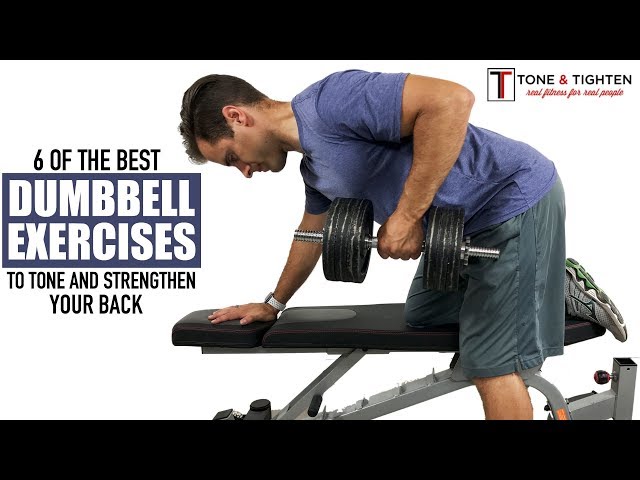
The dumbbell row is a staple for building back muscle mass. This exercise targets the lats, rhomboids, and traps. It’s crucial to maintain a stable core throughout the movement. Expect to spend around 10-15 minutes performing this exercise.
- Stand beside a bench with a dumbbell in one hand.
- Place your opposite knee and hand on the bench for support.
- Keep your back flat and core engaged.
- Pull the dumbbell up towards your chest, keeping your elbow close to your body.
- Slowly lower the dumbbell back to the starting position.
- Repeat for the desired number of repetitions and switch sides.
Dumbbell Deadlifts for Overall Back Strength
Dumbbell deadlifts improve overall back strength and stability. They also engage the glutes and hamstrings. Focus on maintaining a straight back throughout the movement. This powerful exercise can be completed in approximately 10 minutes.
- Stand with your feet shoulder-width apart, holding a dumbbell in each hand.
- Keep your back straight and hinge at your hips, lowering the dumbbells towards the floor.
- Maintain a slight bend in your knees.
- Keep the dumbbells close to your body.
- Engage your glutes and back to return to the starting position.
- Repeat for the desired number of repetitions.
Dumbbell Pullovers for Lat Activation
Dumbbell pullovers are excellent for activating the latissimus dorsi. This exercise stretches and strengthens the back muscles. Focus on controlled movements to maximize the benefits. Allocate around 8-12 minutes for this exercise.
- Lie on a bench with your feet flat on the floor.
- Hold a dumbbell with both hands above your chest.
- Keeping a slight bend in your elbows, lower the dumbbell behind your head.
- Feel the stretch in your lats.
- Pull the dumbbell back to the starting position using your back muscles.
- Repeat for the desired number of repetitions.
Dumbbell Reverse Flyes for Upper Back
Dumbbell reverse flyes help improve posture and strengthen the upper back. They target the rear deltoids and rhomboids. Proper form is crucial to avoid shoulder strain. This exercise takes around 10-15 minutes.
- Stand with your feet shoulder-width apart, holding a dumbbell in each hand.
- Hinge at your hips, keeping your back straight.
- Let the dumbbells hang down towards the floor.
- Raise the dumbbells out to the sides, squeezing your shoulder blades together.
- Slowly lower the dumbbells back to the starting position.
- Repeat for the desired number of repetitions.
Dumbbell Shrugs for Trapezius Development
Dumbbell shrugs are specifically designed to target the trapezius muscles. This exercise improves shoulder and neck stability. Avoid using momentum to lift the dumbbells. Plan for approximately 8-12 minutes to perform this exercise.
- Stand with your feet shoulder-width apart, holding a dumbbell in each hand.
- Let your arms hang down at your sides.
- Shrug your shoulders up towards your ears.
- Hold for a second and then slowly lower your shoulders back down.
- Repeat for the desired number of repetitions.
Dumbbell Bent-Over Rows
The bent-over row is a fundamental movement for back development. It engages several muscle groups simultaneously. Pay close attention to maintaining a straight back. Allow around 10-15 minutes for this exercise.
- Stand with feet shoulder-width apart, dumbbells in hand.
- Bend at the hips, keeping your back straight.
- Let the dumbbells hang towards the floor.
- Pull the dumbbells towards your chest, squeezing your shoulder blades.
- Lower the dumbbells with control.
- Repeat for the desired reps.
Dumbbell Seated Rows for Posture
Seated rows are excellent for posture correction and back muscle activation. They offer a stable base for controlled movements. Ensure you’re pulling from your back and not your arms. Allocate around 10-12 minutes for this exercise.
- Sit on a bench with your feet supported.
- Hold a dumbbell in each hand.
- Lean forward slightly, then pull the dumbbells towards your torso.
- Squeeze your shoulder blades together.
- Slowly return to the starting position.
- Repeat.
These exercises, when performed with proper form, will improve your back health and strength. Remember to consult a healthcare professional before starting any new exercise program. A balanced approach is key to maximizing results while minimizing the risk of injury. Prioritize correct form to prevent strain and ensure that the targeted muscles are effectively engaged. Consistent effort and attention to detail will lead to noticeable improvements in back strength and overall fitness.
Frequently Asked Questions About Dumbbell Back Exercises
Many people have questions about using dumbbells to train their back. Here are some of the most frequently asked questions. Understanding these details will help you refine your workout routine and achieve optimal results. This knowledge base should empower you to exercise safely and effectively.
What is the best weight for dumbbell back exercises?
The best weight depends on your current strength level and experience. Start with a weight that allows you to perform the exercise with good form for 10-12 repetitions. Gradually increase the weight as you get stronger. Its more effective to focus on controlled movements rather than lifting extremely heavy.
How often should I do dumbbell back exercises?
Aim for 2-3 back workouts per week, with rest days in between. This allows your muscles to recover and rebuild. Overtraining can lead to injury, so its important to listen to your body and adjust your routine accordingly. Remember to prioritize quality over quantity when exercising.
Are dumbbell exercises enough for back development?
Dumbbell exercises can be very effective for back development, especially for beginners and intermediate lifters. They offer a great way to build muscle and strength in your back. However, incorporating other exercises like pull-ups or barbell rows can provide further benefits. A varied routine is often the best approach.
Can dumbbell back exercises help with back pain?
Yes, if performed correctly and under the guidance of a healthcare professional. Strengthening back muscles can improve posture and reduce strain on the spine. However, its important to avoid exercises that exacerbate pain and to listen to your body. Always consult a doctor before starting any new exercise program, especially if you have existing back problems.
How do I progress with dumbbell back exercises?
There are several ways to progress: increase the weight, increase the number of repetitions, or increase the number of sets. Another option is to try more challenging variations of the exercises. Focus on progressive overload to continually challenge your muscles and promote growth. Remember to maintain good form as you progress.
Understanding these common questions can significantly enhance your training approach. With knowledge and consistent training, you can optimize back exercises for effective muscle building. Use this information to refine your routine and see real gains.
Essential Tips for Effective Dumbbell Back Exercises
To maximize the benefits of using dumbbells for back exercises, it’s essential to follow some key tips. These tips will help you maintain proper form, prevent injuries, and achieve your fitness goals. Focus on these guidelines to improve your training sessions.
Proper form is crucial for effective and safe dumbbell back exercises. It minimizes the risk of injury and ensures you’re targeting the correct muscles. Pay attention to these guidelines for a safer workout.
Warm-Up
Always warm up before starting your workout. A dynamic warm-up prepares your muscles for the exercise. Include movements like arm circles, torso twists, and light cardio to get your muscles ready.
Proper Form
Maintain proper form throughout the exercise. Avoid using momentum to lift the weight. Focus on controlled movements to engage the target muscles effectively.
Choose the Right Weight
Select a weight that challenges you but allows you to maintain good form. If you can’t complete the desired number of repetitions with good form, reduce the weight. Its better to lift lighter with proper technique than to lift heavy with poor form.
Listen to Your Body
Pay attention to how your body feels during the exercise. Stop if you experience any pain. Dont push through pain, as it could lead to injury.
Control the Movement
Focus on controlling the weight during both the lifting and lowering phases of the exercise. This helps to engage the muscles more effectively and prevents injury. Avoid letting the weight drop quickly.
Breathe Properly
Breathe in during the eccentric (lowering) phase and breathe out during the concentric (lifting) phase. Proper breathing helps to maintain core stability and prevent dizziness. Dont hold your breath during the exercise.
Cool Down
Cool down after your workout with static stretches. Hold each stretch for 20-30 seconds. Stretching helps to improve flexibility and reduce muscle soreness.
These tips are designed to improve the effectiveness of your workouts while preventing injury. Regularity and adherence to these principles will result in visible enhancement.
Key Aspects of Dumbbell Back Exercises
Understanding the critical aspects of dumbbell back exercises is essential for optimizing your workout and maximizing results. These aspects encompass the core elements that define effective back training with dumbbells. By focusing on these dimensions, individuals can tailor their exercises for both strength and safety, making their workout more successful.
Muscle Engagement
Muscle engagement refers to actively involving the target muscles during an exercise. For back exercises, this means consciously contracting the lats, rhomboids, and other back muscles. Activating these muscles will ensure a complete workout.
Proper Form
Proper form is crucial to prevent injuries and maximize muscle activation. Maintaining correct posture and technique ensures that the targeted muscles bear the load. Perfect form during dumbbell back exercises allows for more efficiency.
Progressive Overload
Progressive overload refers to gradually increasing the weight, repetitions, or sets to challenge the muscles. It leads to muscle growth and strength gains. This helps to prevent plateaus and ensures continued progress.
Balanced Training
Balanced training involves working all back muscles equally. This prevents muscular imbalances and ensures overall back health. A well-rounded routine should include exercises that target the upper, middle, and lower back.
Mind-Muscle Connection
The mind-muscle connection is the ability to consciously focus on and feel the muscles working during an exercise. This can improve muscle activation and enhance the effectiveness of the workout. Establish this connection to improve the workout and maximize its effects.
Incorporating all aspects contributes to a well-rounded and effective routine. Consider your goals and experience level when planning and executing these. Integrating all of these will improve overall back health, shape and performance.
Dumbbell exercises offer numerous benefits for back development. They are accessible, versatile, and effective for building strength and muscle mass. The key is to approach them with intention, focus on form, and consistently challenge yourself.
By following the guidelines and tips provided in this article, you can create a comprehensive and effective dumbbell back workout routine. Remember to listen to your body and adjust the routine as needed. With dedication and persistence, you can achieve a stronger, healthier, and more resilient back.
Ultimately, consistent dumbbell back exercises will lead to improved posture, reduced back pain, and enhanced overall fitness.
Youtube Video: