 Adelhard Hartmann
 Achieving a strong and stable core is essential for overall fitness, and core workout machines can be valuable tools in reaching that goal. These machines offer targeted exercises that engage abdominal muscles, back muscles, and obliques. This focused approach can lead to improved posture, balance, and athletic performance. They provide assistance and resistance that helps users build core strength effectively. Learning how to properly utilize these machines is key to maximizing benefits and minimizing risk of injury.
The world of fitness is constantly evolving, and core workout machines have emerged as prominent fixtures in gyms and home workout spaces. Their popularity stems from their ability to isolate and strengthen the core musculature. Unlike free weights, these machines often provide a more controlled range of motion. This feature can be especially beneficial for beginners or individuals recovering from injuries. Furthermore, many machines offer adjustable resistance levels. These adjustments allow for progressive overload, a key principle in building strength over time.
Beyond aesthetics, a strong core plays a vital role in daily life. Core strength supports proper spinal alignment and facilitates efficient movement patterns. This support contributes to reducing back pain and improving overall stability. The following exercises demonstrate how to use different core workout machines effectively. They target various aspects of core strength, contributing to a well-rounded fitness regime.
Effective Core Workout Machines Exercises
Exploring the diverse range of core exercises possible with specialized equipment can significantly enhance your fitness regimen. From rotational movements to targeted abdominal contractions, each machine provides a unique pathway to building a stronger, more resilient core. The following exercises leverage the benefits of core workout machines, promoting improved posture, stability, and overall athletic performance.
Abdominal Crunch Machine
The abdominal crunch machine isolates the abdominal muscles for a concentrated workout. It helps in achieving a more defined and stronger core. This exercise typically takes about 10-15 minutes to complete with proper form and controlled movements. Remember to avoid jerking motions and focus on engaging the core throughout the entire exercise.
- Adjust the seat and weight to your desired level.
- Sit on the machine with your back against the pad.
- Grasp the handles firmly.
- Slowly crunch forward, engaging your abdominal muscles.
- Return to the starting position with controlled movements.
- Repeat for 10-15 repetitions for 3 sets.
Rotary Torso Machine
The rotary torso machine focuses on strengthening the oblique muscles. This exercise enhances rotational strength and stability. Aim for about 10-15 minutes on this machine, using a weight that allows for controlled rotations. Maintaining a stable posture and avoiding excessive twisting can prevent injury.
- Adjust the seat to ensure your knees are comfortably positioned.
- Secure yourself into the machine.
- Select your desired weight.
- Rotate your torso from side to side.
- Keep your movements controlled and deliberate.
- Repeat for 10-15 repetitions for 3 sets.
Back Extension Machine
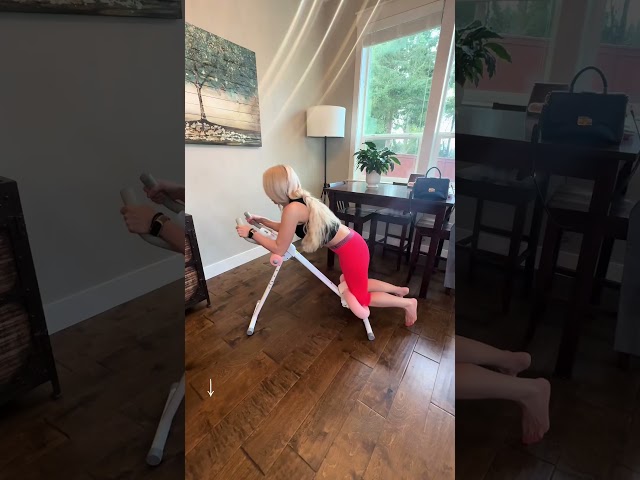
The back extension machine strengthens the lower back muscles. It supports spinal stability and helps prevent lower back pain. This exercise requires careful setup and controlled movement to avoid strain. Focus on using the back muscles to lift your torso, rather than relying on momentum. Expect to spend about 10-15 minutes for 3 sets of repetitions.
- Adjust the machine to fit your height and comfort level.
- Position yourself face down on the pad.
- Secure your feet.
- Slowly lower your torso towards the floor.
- Lift back up to the starting position using your back muscles.
- Repeat for 10-15 repetitions for 3 sets.
Captain’s Chair Leg Raises
This exercise works the lower abdominal muscles. It can be performed on a captain’s chair or similar machine. Proper form is crucial to avoid swinging or using momentum. Aim for controlled leg raises, focusing on engaging the core muscles. 10-15 minutes is enough.
- Position yourself in the captain’s chair, gripping the handles.
- Let your legs hang down.
- Slowly raise your knees towards your chest.
- Keep your core engaged and back straight.
- Lower your legs back down with control.
- Repeat for 10-15 repetitions for 3 sets.
Roman Chair Side Bends
Side bends on a Roman chair work the obliques and core stabilizers. This exercise can improve lateral stability and core strength. Be mindful of the weight used and avoid overextending or twisting. 10-15 minutes for 3 sets of reps.
- Position yourself sideways on the Roman chair.
- Secure your feet.
- Hold a weight plate (optional) close to your chest.
- Bend sideways at the waist, lowering the weight towards the floor.
- Return to the starting position using your oblique muscles.
- Repeat for 10-15 repetitions on each side for 3 sets.
Cable Core Press
The Cable Core Press strengthens the entire core, requiring stability to resist rotation. This exercise targets core strength while maintaining balance. Allow approximately 10-15 minutes to complete, concentrating on proper form to prevent injury. Keep the torso still to maximize core engagement.
- Position a cable machine at chest height.
- Stand with feet shoulder-width apart, perpendicular to the cable.
- Grasp the handle and step away from the machine until there is tension in the cable.
- Press the handle straight forward, keeping your core engaged to resist rotation.
- Slowly return to the starting position.
- Repeat for 10-15 repetitions on each side for 3 sets.
Seated Cable Twist
Seated Cable Twists focus on oblique strength through controlled rotation. This exercise helps build rotational power and core stability. Allocate about 10-15 minutes to complete, using a weight that challenges your obliques. Control the motion to avoid excessive strain on the spine.
- Sit on the floor facing a cable machine with the pulley set at chest height.
- Grasp the handle with both hands and twist your torso away from the machine.
- Keep your back straight and engage your core.
- Slowly return to the starting position.
- Repeat for 10-15 repetitions on each side for 3 sets.
Decline Bench Sit-Ups
Decline Bench Sit-Ups increase the intensity of regular sit-ups by using gravity. This exercise specifically targets the upper and lower abdominal muscles. Dedicate about 10-15 minutes to perform, maintaining a controlled pace throughout the exercise. Focus on contracting the abs at the top of each sit-up.
- Secure your feet in the footrests of a decline bench.
- Lie back on the bench with your hands behind your head or crossed over your chest.
- Engage your core and lift your torso towards your knees.
- Slowly lower yourself back down, maintaining control.
- Repeat for 10-15 repetitions for 3 sets.
Hanging Knee Raises
Hanging Knee Raises work the lower abs and hip flexors while hanging from a bar. This exercise improves core strength and grip strength. Allocate approximately 10-15 minutes, concentrating on proper form to prevent swinging. Engage the abs to lift the knees towards the chest.
- Grip a pull-up bar with an overhand grip, hands shoulder-width apart.
- Hang freely, letting your legs dangle.
- Engage your core and lift your knees towards your chest.
- Slowly lower your legs back down, maintaining control.
- Repeat for 10-15 repetitions for 3 sets.
Core workout machines offer various options for strengthening the core. These examples provide a starting point for incorporating machine-based core exercises into a fitness routine. Remember to focus on proper form and controlled movements to maximize results and minimize the risk of injury.
Frequently Asked Questions About Core Workout Machines
Exploring the use of specialized equipment for core strengthening often leads to various questions. From selecting the right machine to understanding proper form and technique, many factors influence the effectiveness of your workout. The following questions address common concerns related to core workout machines, offering practical advice to help you optimize your training.
What are the benefits of using core workout machines?
Core workout machines offer targeted resistance, helping to isolate and strengthen specific core muscles. This isolation can lead to improved core stability and posture. Additionally, the controlled range of motion can be beneficial for beginners or individuals recovering from injuries. Regular use can contribute to better overall functional fitness.
Are core workout machines suitable for beginners?
Yes, many core workout machines are suitable for beginners. These machines often provide support and a guided range of motion. This assistance can help beginners learn proper form and build a foundation of core strength. It is important to start with lighter resistance and gradually increase it as strength improves.
How often should I use core workout machines?
A good starting point is to incorporate core workout machines into your routine 2-3 times per week. This frequency allows for adequate recovery between sessions. Listen to your body and adjust the frequency based on your fitness level and recovery needs. It’s crucial to avoid overtraining, which can lead to injury.
Can core workout machines help with back pain?
Yes, strengthening the core muscles with core workout machines can often help alleviate back pain. A strong core provides support for the spine and improves posture. However, it is essential to consult with a healthcare professional before starting any new exercise program, especially if you have existing back pain.
What are some common mistakes to avoid when using core workout machines?
One common mistake is using too much weight or resistance, which can lead to poor form and injury. Another mistake is relying on momentum rather than engaging the core muscles. It’s also important to avoid overextending or twisting the spine. Maintaining proper form and controlled movements is crucial for maximizing benefits and minimizing risk.
Which core workout machines are best for targeting the obliques?
Machines like the rotary torso machine and seated cable twist are particularly effective for targeting the obliques. These machines allow for controlled rotational movements. The targeted rotation helps to engage and strengthen these muscles, which are vital for core stability and rotational power. Focus on controlled motion to maximize benefit.
Core workout machines can be valuable tools for strengthening core muscles. By understanding their benefits and using them correctly, individuals can improve their overall fitness and well-being.
Essential Tips for Effective Core Workouts with Machines
Maximizing the benefits of core workout machines requires more than just physical exertion. Understanding the nuances of proper form, machine settings, and overall workout strategy is key. The following tips offer practical guidance for optimizing your core workouts and achieving your fitness goals safely and effectively.
These tips are designed to enhance your workouts and prevent injury. By following these suggestions, users can achieve a stronger, more stable core. Consistency and attention to detail are crucial for successful results.
Proper Form is Key
Maintaining correct posture and form is essential to effectively target the core muscles and prevent injury. If you are unsure about the correct form, consult with a fitness professional. Prioritize quality over quantity by focusing on controlled movements and proper engagement.
Start with Lower Resistance
Beginners should start with lighter resistance or weight. Gradually increase the intensity as strength improves. This progression allows the muscles to adapt and prevents overexertion or injury. Avoid the temptation to rush into heavier weights before mastering proper form.
Focus on Controlled Movements
Avoid jerky or uncontrolled movements. Focus on slow, deliberate contractions of the core muscles. This controlled approach maximizes muscle activation and reduces the risk of strain. Every motion should be intentional and purposeful.
Breathe Properly
Breathing correctly during core exercises is crucial. Exhale during the exertion phase (when you are contracting your muscles). Inhale during the relaxation phase. Proper breathing helps stabilize the core and ensures adequate oxygen supply to the muscles.
Listen to Your Body
Pay attention to any pain or discomfort during exercise. If you experience sharp or persistent pain, stop the exercise immediately. Rest and consult with a healthcare professional if needed. Pushing through pain can lead to serious injury.
Combine with Other Core Exercises
While core workout machines are effective, it’s beneficial to supplement them with other core exercises like planks, bridges, and bodyweight movements. This combination provides a more well-rounded approach to core strengthening. A variety of exercises targets different aspects of the core musculature.
Stay Consistent
Consistency is key to achieving results with core workout machines. Aim to incorporate them into your routine regularly. Consistent training stimulates muscle growth and improves core stability over time. Regularity is more important than occasional intense sessions.
Core workout machines are valuable additions to any fitness regimen. Applying these tips can help individuals maximize the effectiveness of their workouts. Remember to focus on proper form and listen to your body to achieve the best results.
Key Aspects of Core Workout Machines
To fully grasp the significance of core workout machines, it is essential to consider their multifaceted roles and attributes. These devices offer more than just physical training. They represent a commitment to improved health, stability, and overall well-being. Understanding these facets can enhance the appreciation and utilization of this fitness equipment.
Muscle Isolation
Targeted engagement of specific muscles leads to efficient strength building. Specific machines isolate muscles, aiding in targeted gains. This precise isolation allows users to focus on weaknesses or specific muscle groups, leading to more balanced development. Proper isolation helps maximize the effect of each movement.
Spinal Stability
A strong core protects the spine, reducing risk of injury. Core workout machines support spinal stability. Enhanced stability reduces pain and enhances movement efficiency. A stable spine facilitates better posture and supports daily activities with greater ease.
Posture Correction
Strengthening core muscles improves alignment and posture. Good posture can alleviates strain on the back and neck. Improving posture offers long-term health benefits. These benefits can include reduced joint pain and improved breathing.
Controlled Movement
Machines guide movement, minimizing risk and maximizing effectiveness. Controlled movement aids beginners and those recovering from injury. Reduced injury risk facilitates consistency in training. Consistency allows for sustained progress toward fitness goals.
These aspects highlight the importance of core workout machines. Understanding the multifaceted nature of these devices can provide further insight into their capabilities and potential benefits. The overall goal is to improve physical fitness, but these aspects show there are far more to it.
Core workout machines offer a targeted and controlled approach to strengthening the muscles that support posture, balance, and overall stability. They can be especially beneficial for individuals seeking to improve their core strength. Machines offer a guided range of motion, making them suitable for both beginners and experienced fitness enthusiasts.
The benefits of using core workout machines extend beyond aesthetics. A strong core is essential for functional movement, reducing the risk of injury, and improving overall quality of life. Therefore, incorporating core training into a fitness routine using these devices is a valuable investment in long-term health and well-being.
Youtube Video: